
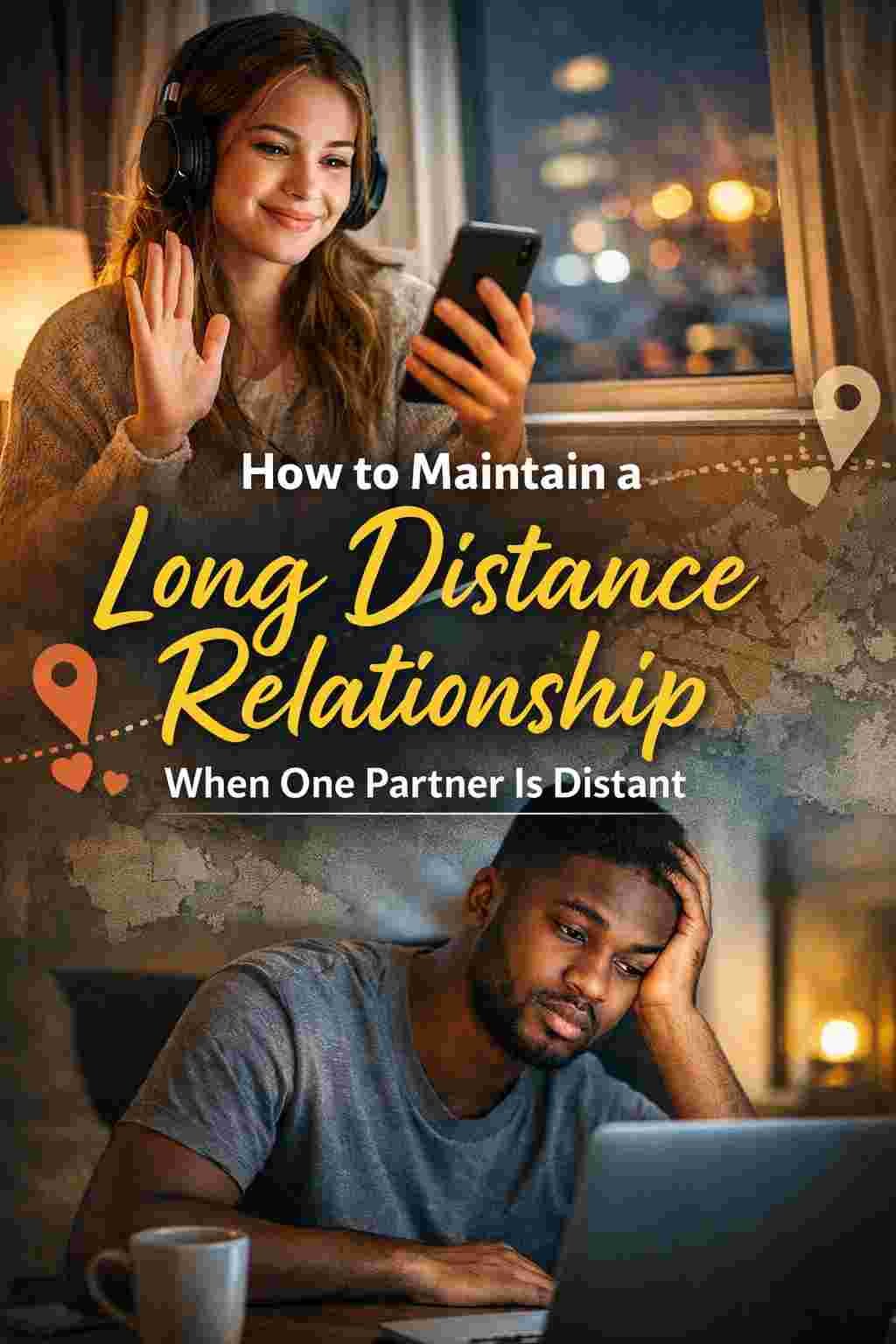
Long-distance relationships are hard. They take patience, effort, and trust. They become even more challenging when one partner starts to feel emotionally distant. Maybe your partner is replying to messages late, calls are shorter, or they seem withdrawn. You may feel lonely, frustrated, or unsure about the state of your relationship. These feelings are normal, and many couples face them.
It is important to understand that distance does not always mean a lack of love. Sometimes it happens because of stress at work, personal struggles, or even differences in communication style. One partner may need more space while the other wants constant connection. The first step is to recognize that emotional distance has reasons beyond your control. This understanding can reduce frustration and help you approach the situation calmly.
Maintaining a long-distance relationship when one partner is distant requires effort, patience, and strategy. By addressing the causes of distance, communicating clearly, and nurturing emotional connection, couples can strengthen their bond even across miles. Do you feel like you are putting more effort into the relationship than your partner? Do late replies and canceled calls make you anxious? If so, you are not alone. This guide will give practical tips for dealing with an emotionally distant partner and keeping your long-distance relationship healthy.
Understanding the Reasons Behind Emotional Distance
When a partner feels distant, the first reaction is often to feel rejected. You may wonder if your partner no longer cares or is losing interest. Before jumping to conclusions, it is important to understand why the distance is happening. Emotional distance is often caused by external factors, internal stress, or differences in communication style.
Some common reasons for emotional distance include:
- Work or life stress: Your partner may be under pressure at work or dealing with personal challenges. Stress can make someone withdraw and have less energy for communication.
- Mental health challenges: Anxiety, depression, or other mental health issues can make it harder for a partner to connect emotionally.
- Different communication styles: Some people are naturally more independent. They may need space to process emotions before sharing them.
- Feeling overwhelmed by the relationship: Long-distance relationships require constant effort. At times, your partner may feel overwhelmed and pull back to recharge.
Consider this example. Sarah and James have been in a long-distance relationship for a year. Lately, James has been replying to texts late and seems distant during calls. Sarah felt hurt and anxious. Instead of assuming James was losing interest, she asked him about his workload. James explained he was managing a stressful project and needed time to focus. Understanding his reason helped Sarah respond with empathy rather than frustration.
Recognizing the “why” behind emotional distance is the first step in addressing it. It helps you avoid unnecessary arguments and overthinking. Emotional distance is often temporary, and understanding it creates a foundation for solutions.
The Power of Honest and Open Communication
Communication is the foundation of any healthy relationship, especially in long-distance situations. Without clear and honest communication, emotional distance can grow. Open conversations allow both partners to share their feelings, expectations, and concerns.
Here are some ways to communicate effectively with a distant partner:
- Set aside dedicated time for calls: Short, distracted conversations often lead to misunderstandings. Schedule regular video calls or phone calls where both partners can focus on each other.
- Use “I” statements: Express your feelings without blaming your partner. For example, say, “I feel lonely when we do not talk for a few days” instead of “You never make time for me.”
- Ask open-ended questions: Encourage your partner to share their thoughts by asking questions that require more than yes or no answers. For instance, “How has your week been?” or “What are you feeling about our plans?”
- Prioritize quality over quantity: Frequent messaging is not always necessary. Focus on meaningful conversations that strengthen your connection.
- Use tools to stay connected: Shared calendars, journaling together online, or even sending voice notes can help maintain connection without overwhelming either partner.
Good communication reduces misunderstandings and helps partners feel supported. It also prevents small issues from turning into larger conflicts. Remember that a distant partner may need time to open up. Patience and consistency are key.
Consider another example. Mark felt his girlfriend, Lisa, was emotionally distant. Instead of ignoring it, he scheduled a weekly video call to check in about their feelings. They used that time to share successes, frustrations, and plans. Over time, Lisa became more comfortable opening up, and their emotional bond strengthened.
Setting Realistic Expectations
Long-distance relationships can create anxiety when expectations are unclear. When one partner feels distant, it is easy to assume they are uninterested or that the relationship is failing. Setting realistic expectations helps reduce misunderstandings and emotional stress.
Start by defining what connection looks like for both of you. Talk openly about communication frequency, preferred methods, and boundaries. For example:
- “We will message at least once a day and have a video call twice a week.”
- “We will respect each other’s personal space when one of us is busy.”
Setting clear expectations prevents overthinking and resentment. Without them, small lapses in communication can feel like rejection.
It is also important to adjust expectations over time. Life circumstances change. Your partner may need extra space during stressful periods or may want more connection when free. Flexibility and understanding are essential for long-term success.
Another tip is to set emotional goals alongside communication goals. For instance, deciding to share one meaningful experience together each week, such as watching the same movie or having a virtual dinner, can maintain intimacy even when physical distance exists.
By aligning expectations, both partners can feel secure and connected. This reduces the emotional strain caused by perceived distance and allows the relationship to grow steadily.
Balancing Space and Connection
Finding the right balance between personal space and emotional connection is crucial when one partner is distant. Over-clinging can push the partner further away, while too much distance can create feelings of neglect. Long-distance couples must consciously manage this balance to stay connected.
Here are practical strategies:
- Schedule personal time: Each partner should have hobbies, work, or activities that provide personal fulfillment. This prevents emotional exhaustion and gives space to recharge.
- Plan regular shared activities: Even from a distance, couples can enjoy activities together. Play an online game, watch the same movie, or read the same book and discuss it later.
- Use thoughtful gestures: Small acts like sending a voice note, a handwritten letter, or a surprise gift can show care without overwhelming your partner.
It is important to respect each other’s need for independence. If your partner asks for space, view it as a way for them to recharge rather than a sign of disinterest. Balancing space and connection allows both partners to feel supported while maintaining individuality.
For example, Emma and Liam set a rule that they would have a video call every Friday and Sunday but could take breaks during the week if busy. Liam also kept up with his weekly guitar lessons while Emma focused on her painting. This balance allowed them to stay emotionally connected while pursuing their individual goals.
By consciously managing space and connection, couples can reduce tension and strengthen their long-distance bond.
Building Trust and Managing Insecurity
Emotional distance often triggers insecurity. You may wonder if your partner still cares, feel jealous, or overthink their messages. Building trust and managing insecurity are essential for maintaining a healthy long-distance relationship.
Here are some strategies:
- Consistent updates without controlling: Regular communication helps your partner feel trusted and secure. Share updates about your day, plans, or feelings, but avoid excessive checking or questioning.
- Share feelings openly: Both partners should feel comfortable expressing concerns, desires, and fears without judgment. Honest conversations strengthen trust.
- Avoid over-analyzing messages: Texts can be misinterpreted. Do not assume tone or meaning from a short reply. Wait for context from a call or conversation.
- Focus on self-confidence: Building your own emotional resilience reduces dependence on your partner for validation. Engage in activities that make you feel confident and fulfilled.
Consider a scenario. Mia often felt anxious when her boyfriend, Ethan, replied late to texts. Instead of letting insecurity control her, she started keeping a journal about her feelings and communicated calmly with Ethan about her need for reassurance. Ethan responded with understanding and more consistent updates. Over time, Mia felt more secure, and the emotional distance between them decreased.
Trust and security are built through consistent effort, open communication, and mutual respect. They allow both partners to navigate emotional distance without escalating doubts or conflict.
Difficult Conversations Without Conflict
Addressing emotional distance can feel intimidating. You may worry that bringing up your feelings will cause an argument or push your partner further away. The key is to approach difficult conversations with calmness, empathy, and a focus on solutions rather than blame.
Here are steps to communicate effectively:
- Choose the right time and method: Video calls are better than text for sensitive topics. Both partners should be in a calm and distraction-free environment.
- Use calm and empathetic language: Focus on your feelings instead of accusing your partner. For example, say, “I feel disconnected when we do not talk for several days,” rather than “You never care about me.”
- Focus on solutions: Discuss ways to stay connected instead of focusing on the problem. Ask, “How can we make sure we feel close even during busy weeks?”
- Listen actively: Give your partner a chance to explain their perspective without interrupting or assuming. Understanding their experience can reduce tension.
- Be patient: Some partners need time to open up. Do not expect immediate answers or change.
Consider this example. Alex noticed that his partner, Jordan, had become distant. Instead of sending frustrated texts, he scheduled a video call and said, “I feel a little disconnected lately. Can we talk about how we can feel closer?” Jordan explained that work stress had reduced her energy. Together, they created a plan to maintain small daily connections, like morning messages or short evening calls. The conversation brought them closer instead of creating conflict.
Difficult conversations, when approached with empathy and clarity, strengthen trust and emotional intimacy. They allow couples to tackle distance proactively rather than letting frustration build.
Long-Term Goals and Emotional Connection
Long-distance relationships thrive when both partners focus on shared values and future goals. Emotional connection goes beyond daily messages or calls. Planning for the future and working toward common goals helps couples feel united despite the miles between them.
Ways to maintain a long-term emotional connection include:
- Shared projects: Work on something together, such as creating a joint playlist, learning a new skill online, or planning a trip.
- Plan visits: Even infrequent visits can strengthen the bond and give something to look forward to.
- Celebrate milestones: Recognize anniversaries, achievements, or personal successes together. It reinforces the sense of partnership.
- Discuss long-term goals: Talk openly about career plans, living arrangements, and other life decisions to ensure you are aligned.
Take the example of Nina and Sam. Despite living in different countries, they set a goal to visit each other every three months and planned a shared online project creating a travel blog. These shared activities kept them emotionally connected and gave their relationship purpose beyond daily communication.
Focusing on long-term goals strengthens commitment. Even if one partner feels distant at times, shared plans and values maintain emotional closeness and reinforce the sense that the relationship is worth nurturing.
Maintaining a long-distance relationship when one partner is distant is challenging but not impossible. Understanding the reasons behind emotional distance, communicating openly, setting realistic expectations, and balancing space and connection are essential first steps. Building trust, managing insecurity, and having difficult conversations with empathy strengthen the emotional bond. Finally, focusing on long-term goals and shared experiences ensures the relationship grows despite the physical distance.
Every couple will face periods where one partner feels withdrawn. The difference lies in how you respond. Take proactive steps, communicate with patience, and nurture your own emotional resilience. Small, consistent efforts will create trust, intimacy, and stability.
Distance may test your love, but with honesty, intentional effort, and understanding, your relationship can grow stronger than ever. If you are struggling with an emotionally distant partner, start by applying these tips today and keep your long-distance relationship thriving.