
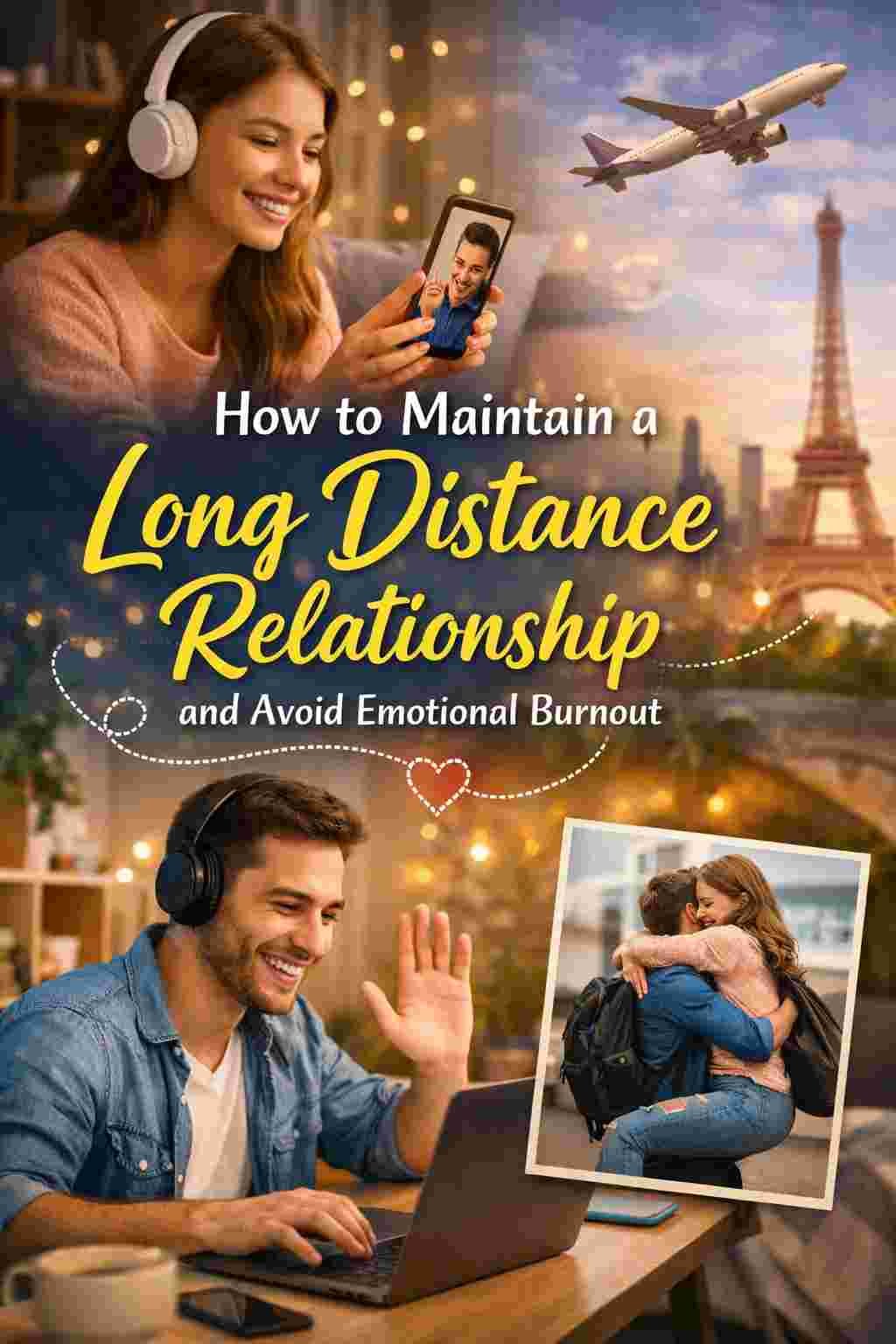
Long-distance relationships can be both exciting and challenging. They allow couples to grow individually while maintaining a connection. At the same time, the distance can create stress, loneliness, and emotional strain. Many couples struggle to maintain their bond and may feel burned out from the effort required to stay connected. Emotional burnout is a real risk in long-distance relationships. It happens when one or both partners feel overwhelmed, disconnected, or exhausted from constantly managing the relationship from afar.
Maintaining a strong long-distance relationship requires effort, communication, and a clear understanding of each partner’s needs. Couples who find ways to stay emotionally connected can build trust, deepen intimacy, and strengthen their bond despite the miles between them. This guide offers practical strategies to maintain your relationship while avoiding emotional burnout.
You will learn how to handle common challenges, communicate effectively, build trust, set healthy boundaries, and take care of your emotional well-being. The tips in this blog are designed to help you stay connected with your partner, enjoy your relationship, and keep it healthy and fulfilling. Whether you are in a new long-distance relationship or have been managing one for years, these strategies will help you navigate the ups and downs of loving someone from a distance.
Using these tips will not only improve your relationship but also help you maintain balance in your personal life. You will learn how to communicate without stress, prevent misunderstandings, and prioritize both your needs and your partner’s needs. Long-distance relationships can be challenging, but with the right approach, they can also be deeply rewarding.
This blog focuses on practical advice, self-care strategies, and ways to stay emotionally connected. It is designed to give you clear guidance and actionable steps. By following these tips, you can reduce stress, strengthen your relationship, and avoid emotional burnout while keeping your love alive across the distance.
Understanding the Challenges of Long-Distance Relationships
Long-distance relationships come with unique challenges that can affect both partners. Recognizing these difficulties is the first step to managing them effectively. Many couples face emotional strain due to the lack of physical presence. Missing a partner’s touch, voice, or simple daily interactions can create feelings of loneliness and anxiety. These feelings are normal, and acknowledging them helps you address them before they become overwhelming.
Communication gaps are another common challenge. Text messages, emails, and even phone calls can be misinterpreted. A simple delay in replying or misunderstanding a tone can cause unnecessary worry. Overthinking messages is common in long-distance relationships. Being aware of this tendency and discussing concerns openly can prevent unnecessary conflict and emotional stress.
Jealousy and insecurity can also affect couples in long-distance relationships. Seeing a partner interact with friends or strangers online may trigger fears of drifting apart. These feelings are normal but need to be managed carefully. Open conversations about boundaries, expectations, and reassurance can help reduce jealousy and strengthen trust.
Different daily routines and time zones add another layer of difficulty. It can be hard to find times to talk, share experiences, or celebrate special moments together. Couples need to be flexible and intentional about connecting at times that work for both partners. Planning regular communication schedules can help maintain consistency and avoid frustration.
Understanding these challenges allows couples to approach their relationship with patience and empathy. By recognizing that these struggles are normal, you can reduce stress and prevent emotional burnout. Discussing your concerns openly with your partner and setting realistic expectations are essential steps in maintaining a healthy long-distance relationship.
The Power of Effective Communication
Communication is the foundation of a strong long-distance relationship. Couples who communicate effectively are better able to stay emotionally connected and maintain trust. Regular check-ins are essential. Setting a schedule for calls or messages ensures that both partners feel connected and reduces feelings of uncertainty. This can include daily texts, weekly video calls, or regular voice notes.
Honest conversations are also crucial. Sharing feelings, frustrations, and concerns openly helps prevent misunderstandings. Avoid blaming language and focus on expressing your emotions clearly. Active listening is equally important. Showing that you understand and value your partner’s perspective strengthens emotional connection and reduces conflict.
Using a mix of communication formats keeps the relationship engaging. Texts, voice messages, video calls, and even handwritten letters create variety and allow for different ways of expressing affection. Simple gestures like sending a short voice note or a surprise message can help maintain intimacy.
Fun communication methods can make your relationship feel lively. Watching a movie together online, playing virtual games, or sending small gifts can help you share experiences despite the distance. These moments create shared memories and keep the relationship exciting.
Balance is key in communication. Avoid overcommunicating, which can create pressure and stress. Focus on meaningful interactions that build connection without overwhelming either partner. By combining regular check-ins, honest conversations, active listening, and fun shared activities, couples can maintain a strong emotional bond across the distance.
Effective communication helps prevent misunderstandings, strengthens trust, and keeps the relationship healthy. It ensures that both partners feel heard, valued, and connected even when they are far apart.
Building Trust and Setting Boundaries
Trust is the backbone of any long-distance relationship. Without it, doubts and insecurities can quickly lead to emotional burnout. Building trust requires both partners to be consistent, reliable, and transparent. Honesty is essential. Share your feelings openly and address concerns early rather than letting them fester. Avoid assumptions about your partner’s actions or intentions, as these can lead to unnecessary stress.
Setting clear boundaries is equally important. Boundaries define what is acceptable regarding communication, personal time, and social interactions. For example, discuss how often you expect to talk each day and how to handle social media interactions that may cause jealousy. Respecting these boundaries ensures that neither partner feels suffocated or overwhelmed.
Jealousy is a common challenge in long-distance relationships. Seeing your partner interact with others online or hearing about new social events can trigger feelings of insecurity. It is important to manage these feelings by focusing on reassurance rather than control. Remind yourself of your partner’s commitment, and discuss concerns calmly and constructively.
Healthy boundaries and trust also allow for independence. Each partner can continue personal hobbies, career goals, and social connections without guilt. This balance helps maintain individual well-being while strengthening the relationship. When both partners feel secure and respected, emotional connection deepens, and burnout is less likely.
Practical tips for building trust include being punctual for calls, keeping promises, and checking in when plans change. Boundaries can be revisited regularly as the relationship evolves. Couples who prioritize trust and clear boundaries often find that distance becomes less of a barrier and emotional resilience grows stronger.
Avoiding Emotional Burnout
Emotional burnout in long-distance relationships occurs when one or both partners feel overwhelmed or exhausted from maintaining constant connection. To prevent this, self-care is essential. Prioritize your physical and mental health by maintaining hobbies, exercising, meditating, and taking breaks when needed. A balanced life outside the relationship strengthens your emotional capacity and reduces stress.
Maintaining friendships and a support system is also important. Relying solely on your partner for emotional support can create pressure and increase burnout. Spending time with friends, family, and colleagues provides perspective and fulfillment that benefits both you and your relationship.
Recognizing the signs of burnout is crucial. Irritability, anxiety, overthinking, or a sense of detachment are all warning signals. When these signs appear, take proactive steps to reduce stress. This might include scheduling personal time, communicating openly with your partner about how you feel, or temporarily adjusting your communication routine.
Balance between connection and independence is key. Quality over quantity matters. It is better to have meaningful, focused interactions than constant contact that feels exhausting. Make your conversations count by sharing experiences, dreams, and emotions rather than just checking in.
Small acts of self-care, such as journaling, reading, or enjoying a hobby, can recharge your energy and allow you to bring positivity back into the relationship. Couples who prioritize emotional well-being are better equipped to handle challenges and maintain intimacy over the distance.
Planning for the Future
Having a shared vision for the future is one of the strongest motivators in a long-distance relationship. Couples who plan ahead feel more secure and motivated to maintain their connection. Start by setting long-term goals together. Discuss topics such as career plans, relocation possibilities, or the timeline for living in the same city. Clear goals help reduce uncertainty and keep both partners aligned.
Regular visits are vital for sustaining intimacy. Seeing each other in person, even periodically, reinforces the emotional bond and creates shared memories. Plan visits strategically around work schedules, holidays, or special events to ensure both partners can participate.
Shared experiences, even from a distance, can strengthen your relationship. Celebrate milestones virtually, such as anniversaries, birthdays, or achievements. These moments of celebration make the relationship feel real and valued despite the physical separation.
Visualizing eventual reunification helps maintain hope and emotional stability. Discuss your plans for the future openly and revisit them regularly. This keeps both partners focused on the bigger picture rather than small day-to-day frustrations.
By combining goal-setting, regular visits, and shared experiences, couples can maintain motivation and emotional connection. Planning for the future is not just about logistics; it is about fostering a sense of purpose, partnership, and commitment that strengthens love across the distance.
Fun and Creative Ways to Stay Connected
Maintaining connection in a long-distance relationship requires more than just calls and messages. Adding fun and creative activities can keep the relationship exciting and help both partners feel closer despite the distance.
Virtual date nights are an excellent way to share quality time. You can watch movies together using online streaming platforms, play online games, or even cook the same recipe at the same time while video chatting. These activities create shared experiences and make your bond feel more tangible.
Sending care packages or surprise letters is another effective way to maintain emotional intimacy. Small gestures, like sending a favorite snack, a handwritten note, or a small gift, show that you are thinking of your partner. These actions help maintain a sense of presence and thoughtfulness that strengthens emotional connection.
Shared digital projects can also be engaging. Couples can create playlists, photo albums, or even a shared journal online. This allows both partners to document memories and feelings together, giving a sense of continuity in the relationship.
Communication does not always have to be serious. Light-hearted activities like online quizzes, trivia games, or sending funny memes can bring laughter and relieve stress. Keeping humor and fun in your conversations helps prevent burnout and keeps the relationship enjoyable.
Small, creative gestures can make a big difference in maintaining intimacy. Whether it is sending a surprise message in the middle of the day or planning a themed virtual date, these actions show care and commitment. By being intentional and playful, couples can strengthen their emotional connection and keep the relationship vibrant across the distance.
Conclusion: Strengthening Love Across Distances
Long-distance relationships are challenging, but they can be deeply rewarding when approached with care, patience, and intentional effort. Communication, trust, self-care, planning, and creativity are the pillars that support a strong connection across the miles.
By understanding the challenges, couples can normalize their feelings and address issues before they become overwhelming. Effective communication helps partners stay connected, reduce misunderstandings, and build emotional intimacy. Establishing trust and boundaries ensures both partners feel secure and respected.
Avoiding emotional burnout requires prioritizing self-care and maintaining balance between connection and independence. By taking care of your mental and emotional health, you can bring positivity and energy into the relationship. Planning for the future, setting goals, and sharing experiences provide motivation and hope for eventual reunification.
Adding fun and creative ways to stay connected keeps the relationship lively and engaging. Simple gestures, virtual date nights, and shared projects show thoughtfulness and commitment, keeping the emotional bond strong.
Long-distance relationships require effort, but the rewards are worth it. Couples who communicate effectively, maintain trust, care for themselves, plan ahead, and stay creative can enjoy a fulfilling and resilient relationship. Love can thrive across any distance when both partners are committed to nurturing it and avoiding emotional burnout.