
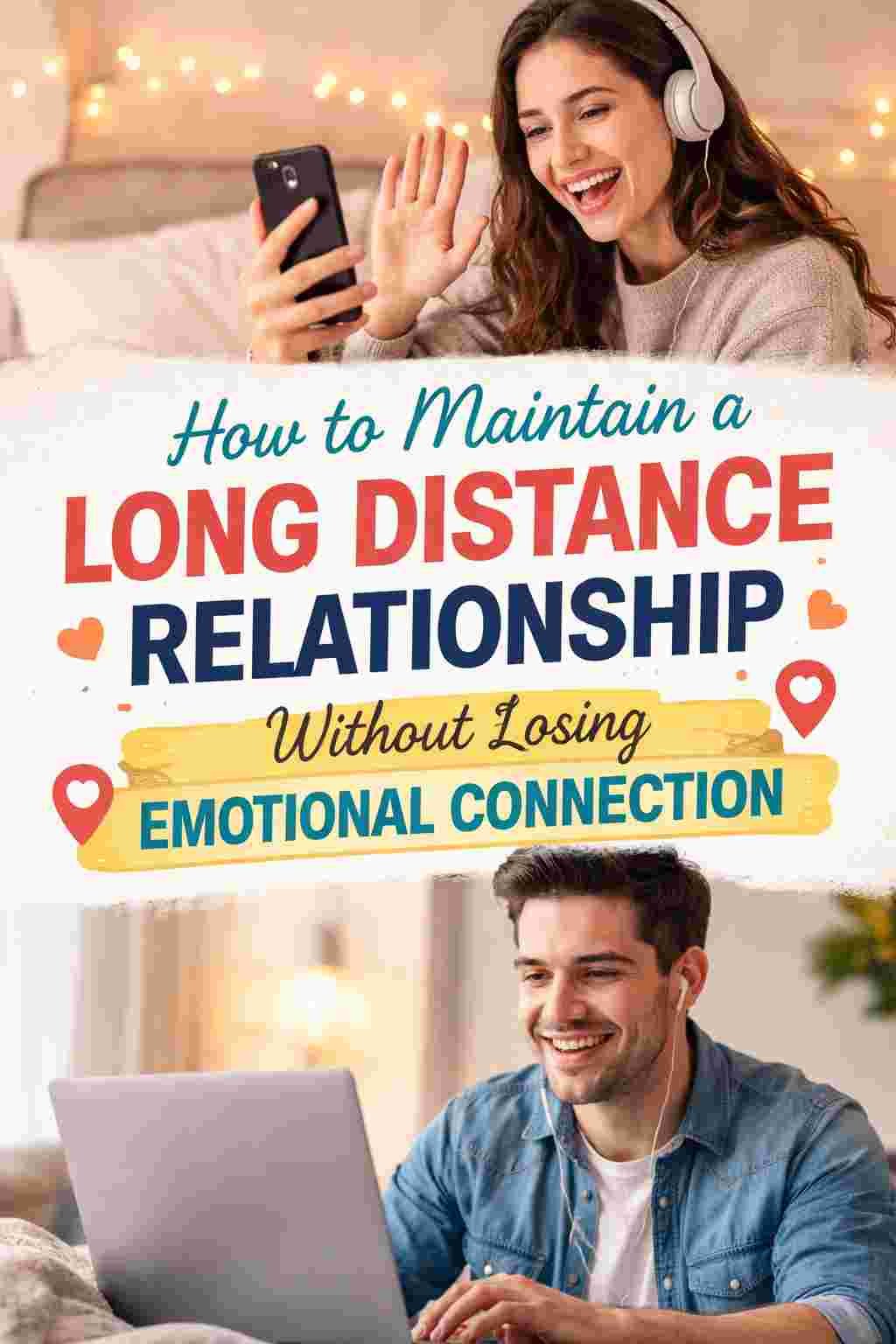
Long distance relationships can be challenging. Being apart from someone you love can create feelings of loneliness, frustration, and doubt. You may wonder if the emotional connection will stay strong when you cannot share daily moments together. Despite the distance, these relationships can be deeply rewarding. Couples who handle long distance with care often report that it strengthens trust, appreciation, and emotional closeness.
The key is maintaining emotional connection even when physical presence is impossible. Emotional connection means feeling understood, supported, and valued by your partner. It is the glue that holds the relationship together, even across miles. Achieving this requires consistent communication, honesty, and creativity. Sharing daily experiences, expressing feelings, and supporting each other’s growth are essential to keeping the bond alive.
This blog explores practical strategies for maintaining a long distance relationship without losing emotional connection. We will discuss the common challenges couples face, the importance of communication, building emotional intimacy, trust and expectations, balancing personal growth, coping with emotional challenges, and ways to strengthen your bond. These tips will help couples keep their love alive, feel connected, and even grow closer despite the distance.
Understanding the Challenges of Long Distance Relationships
Long distance relationships come with unique challenges that can strain emotional connection if not addressed. One of the most common difficulties is loneliness. Being away from your partner can create a sense of emptiness, especially during moments when you want to share your life or celebrate achievements together. Missing everyday experiences like meals, walks, or casual conversations can amplify feelings of separation.
Miscommunication is another challenge. Without physical cues such as tone, body language, or facial expressions, messages can be misunderstood. A simple text can sometimes seem cold or distant, even when no harm is intended. Time zone differences add another layer of complexity. Coordinating calls and messages can be difficult, leaving one partner feeling neglected or disconnected.
Some couples fear drifting apart over time. The absence of shared physical experiences can create a sense of emotional distance. If challenges like insecurity, jealousy, or uncertainty are ignored, they can build up and damage the relationship. Recognizing these challenges early is essential. Understanding that these issues are normal helps couples approach the relationship with patience, empathy, and proactive solutions.
Other obstacles include managing expectations and staying motivated in the relationship. Couples need to agree on how often they communicate, how to share life updates, and how to handle disagreements. Couples who face these challenges with honesty and planning are better equipped to maintain emotional connection. By accepting that distance creates unique pressures, partners can focus on solutions rather than letting problems create tension.
The Power of Communication
Communication is the foundation of any successful long distance relationship. Consistent and meaningful communication helps couples feel connected, even when they are miles apart. Scheduling regular calls, sending voice notes, and exchanging texts are simple yet effective ways to stay in touch. Video calls are particularly important because they allow you to see your partner’s expressions, making conversations more personal and engaging.
Quality is more important than quantity. It is better to have intentional conversations where both partners actively listen and share than to send numerous messages that feel shallow or forced. Active listening is essential. Ask questions, validate feelings, and respond thoughtfully. Sharing emotions openly, including fears or frustrations, creates intimacy and trust.
Technology also allows creative ways to maintain emotional connection. Couples can watch movies together, play online games, cook the same recipe while on a video call, or even send surprise messages. Small gestures like sending a photo, a short video, or a handwritten note can have a powerful impact. These actions make your partner feel valued and included in your life, despite the distance.
Consistency in communication helps prevent misunderstandings and feelings of neglect. Even when schedules are busy, taking the time to check in shows care and commitment. When communication is maintained effectively, couples feel emotionally close, supported, and connected, strengthening the overall bond.
Building Emotional Intimacy from Afar
Emotional intimacy is crucial for maintaining a strong long distance relationship. It is about feeling close, supported, and understood, even when you cannot be physically together. Sharing small daily experiences can help. Sending photos, voice notes, or updates about your day helps your partner feel involved in your life.
Virtual dates are another way to maintain intimacy. Watching a movie together, playing an online game, or cooking simultaneously on video calls can create shared experiences. These activities allow couples to feel present in each other’s lives, bridging the gap created by distance.
Honesty and vulnerability are central to emotional intimacy. Sharing feelings openly, including doubts, fears, or stress, allows both partners to feel connected on a deeper level. Supporting each other emotionally, listening without judgment, and showing empathy reinforces trust and strengthens the bond.
Using technology creatively can also enhance emotional closeness. Apps for co-watching videos, sending digital letters, or sharing experiences in real time make distance feel smaller. Couples who invest in these small but consistent efforts report feeling more connected and emotionally satisfied.
Maintaining emotional intimacy requires deliberate effort. When both partners commit to staying emotionally engaged, the relationship can thrive, creating a sense of closeness that goes beyond physical presence.
Maintaining Trust and Managing Expectations
Trust is the foundation of any long distance relationship. Without it, emotional connection can quickly weaken. Couples should establish clear expectations for communication, social interactions, and personal boundaries. Transparency about schedules, feelings, and plans helps prevent misunderstandings.
Jealousy and insecurity are common in long distance relationships. To counter this, partners should communicate openly about their experiences and reassure each other regularly. Trust-building exercises can include sharing routines, discussing future plans, or planning virtual activities together.
Managing expectations is equally important. Understand that it is impossible to share every moment of your life. Sometimes one partner may be busy, tired, or unable to communicate as often as desired. Patience and empathy help prevent unnecessary tension.
When expectations and boundaries are clear, couples feel more secure and connected. Trust grows when both partners know they can rely on each other emotionally. Maintaining trust ensures that emotional connection remains strong, even in the absence of physical presence.
Balancing Individual Growth and Relationship Goals
A healthy long distance relationship balances personal growth with relationship goals. Both partners should continue pursuing hobbies, career development, and personal interests. This balance prevents dependence and ensures each person remains fulfilled individually.
Setting long-term goals together is essential. Planning for future visits, reunions, or shared milestones strengthens the bond and gives couples something to look forward to. Celebrating achievements, even small ones, creates shared joy and reinforces emotional connection.
Supporting each other’s growth helps both partners feel valued. Encouragement and recognition of personal accomplishments build trust and intimacy. Couples who maintain individual lives while nurturing their relationship experience a stronger, more resilient bond.
Balancing personal growth with relationship goals ensures that both partners feel fulfilled. Long distance relationships can thrive when both people maintain their identities while working together toward a shared future.
Coping with Emotional Challenges
Emotional challenges are inevitable in long distance relationships. Moments of doubt, frustration, or longing are normal. Practicing self-care helps manage these emotions. Exercise, hobbies, and relaxation techniques provide balance and reduce stress.
Talking to friends, family, or online communities can also help. Support networks provide perspective and encouragement, reducing feelings of isolation. Patience and resilience are important traits. Acknowledging emotions without letting them harm the relationship is key.
Couples who cope with challenges together often emerge stronger. Communicating openly about difficulties, validating each other’s feelings, and finding solutions collaboratively strengthen emotional connection. Healthy coping strategies allow couples to maintain closeness, even during stressful periods.
Long distance relationships require effort, commitment, and creativity. They can be challenging, but they also offer opportunities to deepen emotional connection. By establishing consistent communication, sharing experiences, maintaining trust, balancing personal growth, and coping with challenges, couples can keep their love strong.
Distance does not have to weaken a relationship. With patience, honesty, and deliberate effort, emotional connection can thrive. Applying these strategies allows couples to feel close, valued, and loved, no matter how far apart they are. Long distance relationships can succeed and even grow stronger when both partners prioritize connection and commitment.