Why Social Media Feels Bigger in Long Distance Relationships
In a long distance relationship, small actions often carry big emotional weight. One missed reply. One unseen message. One late night spent watching a partner stay online. These moments may seem minor, but they can trigger strong emotions when physical distance already exists.
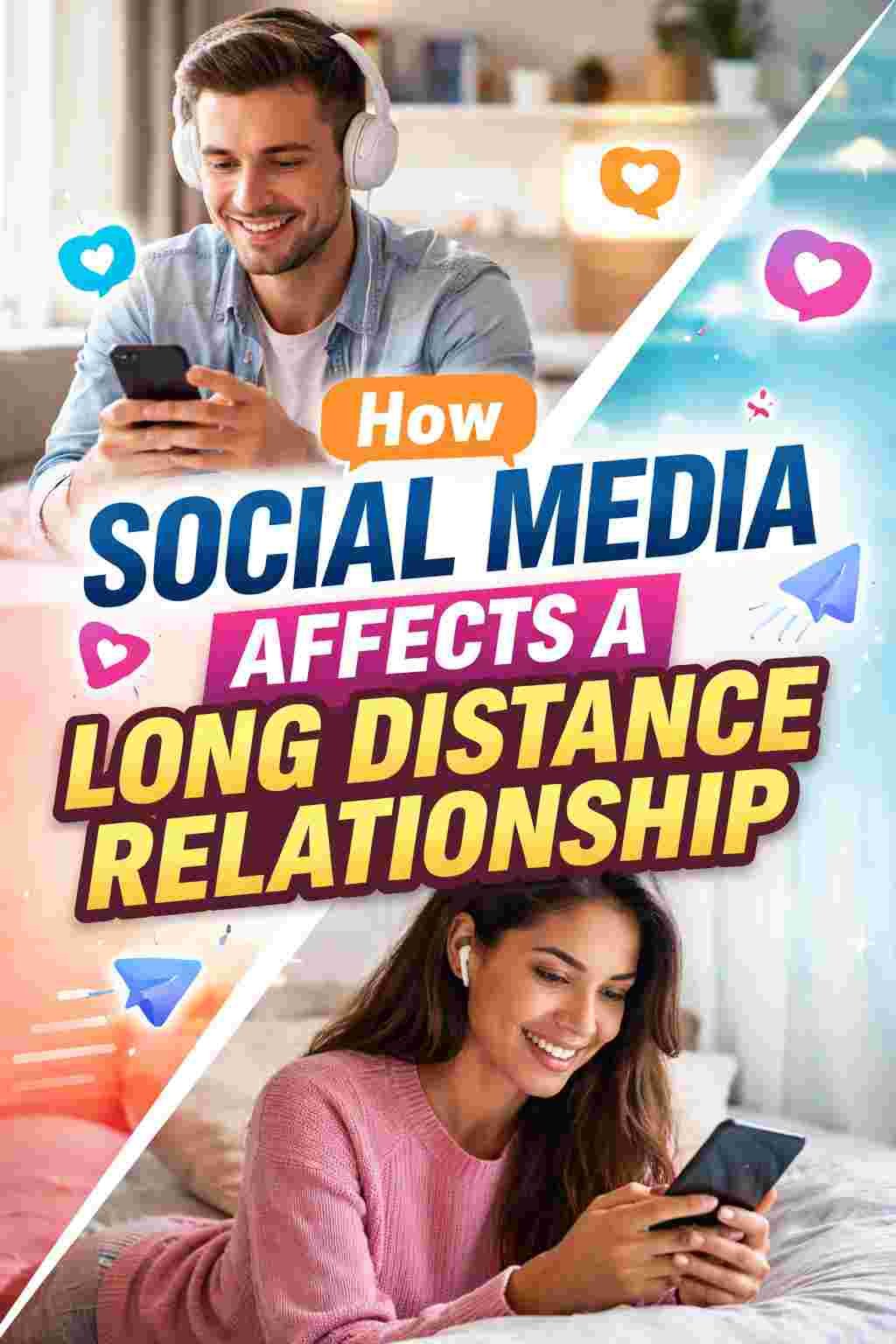
Social media becomes a daily bridge between partners who cannot meet in person. It fills the gap created by distance. Messages replace conversations. Video calls replace hugs. Likes and comments often stand in for reassurance. This is why how social media affects a long distance relationship matters so deeply.
When couples live apart, social media is not just entertainment. It becomes a primary emotional tool. Partners use it to feel close, connected, and involved in each other’s lives. At the same time, it can also create anxiety, jealousy, and misunderstandings when expectations are unclear.
This blog explores both sides of social media and long distance relationships. It explains how online interaction can strengthen emotional bonds. It also explains how it can quietly damage trust and intimacy. You will learn how digital habits shape communication, influence emotions, and affect long term relationship health.
By understanding both the benefits and risks, couples can use social media wisely. Instead of letting it create distance, they can turn it into a tool that supports love, trust, and emotional security.
Understanding the Role of Social Media in Long Distance Relationships
Physical distance creates emotional gaps. Couples cannot rely on touch, shared space, or spontaneous moments together. As a result, they turn to social media and messaging apps to fill those gaps.
Texts and calls become the main way to express care. Stories and posts become windows into daily life. Online presence becomes proof of availability. This digital dependence is natural, but it also increases emotional sensitivity.
When communication happens mostly online, every interaction feels important. A delayed reply can feel personal. A short message can feel cold. Social media becomes the space where reassurance is expected and sometimes demanded.
How Online Actions Become Emotional Signals
In long distance relationships, online actions often carry hidden meanings. A like can feel like attention. A missed story can feel like neglect. Online status can trigger worry.
Common emotional triggers include
• Seeing a partner active but not replying
• Not receiving comments or reactions
• Overthinking who else they interact with
These small digital behaviors become emotional signals. Without physical cues, partners rely heavily on interpretation. This makes communication more fragile and more prone to misunderstanding.
Positive Effects of Social Media on Long Distance Relationships
Staying Emotionally Connected Across Distance
One of the strongest benefits of social media and long distance relationships is constant connection. Messaging apps allow couples to talk daily. Video calls help them see expressions and hear tone. This regular contact reduces emotional distance.
Sharing daily routines helps partners feel involved. Simple updates like meals, work stress, or family events build familiarity. Social media allows couples to feel present in each other’s lives even when far apart.
Building Reassurance and Emotional Security
Social media provides quick access to reassurance. A good morning message. A supportive comment. A quick call during a hard day. These actions build emotional safety.
Public appreciation also plays a role. Posting about milestones or achievements can make a partner feel valued. Celebrating birthdays or anniversaries online creates shared memories.
When used intentionally, social media communication in relationships strengthens trust and emotional comfort.
Creating Shared Digital Experiences
Couples can create shared experiences online. Watching videos together. Sending voice notes. Sharing photos in real time. These actions build emotional closeness.
Some couples even create routines like nightly calls or weekly virtual dates. These habits provide structure and consistency. Social media becomes a space for bonding instead of conflict.
Negative Impact of Social Media on Long Distance Relationships
Despite its benefits, social media also introduces new challenges. Visibility increases comparison and suspicion. Seeing a partner interact with others can trigger social media jealousy in relationships.
Likes and comments may feel threatening. New followers may spark fear. Over time, constant exposure can create insecurity and doubt.
This often leads to overthinking. Partners may start questioning intentions and loyalty. Emotional peace slowly fades when reassurance depends on online behavior.
Comparison Culture and Unrealistic Expectations
Social media presents curated versions of relationships. Influencer couples often show perfect moments. This creates unrealistic standards.
Couples in long distance relationships may feel pressure to match this image. They may feel unhappy or inadequate when reality does not align with what they see online.
Comparison creates dissatisfaction. It shifts focus from real connection to online performance. This can harm emotional intimacy and self confidence.
Common Social Media Problems in Long Distance Relationships
One common long distance relationship problem is digital monitoring. Checking activity. Watching followers. Tracking likes. These habits create control instead of trust.
Online surveillance damages emotional safety. It replaces open communication with silent suspicion. Over time, both partners feel stressed and restricted.
Trust issues in long distance relationships often grow from this behavior. Without boundaries, social media becomes a source of conflict.
Miscommunication Through Text and Posts
Text based communication lacks tone and body language. Messages can be misunderstood easily. A short reply may feel rude. A delayed response may feel intentional.
Public posts can also cause private arguments. Vague captions or passive messages often lead to assumptions. These misunderstandings slowly weaken emotional bonds.
How Social Media Shapes Communication Patterns
Constant availability creates pressure. Partners may feel obligated to reply instantly. Over time, this leads to emotional burnout.
Over messaging reduces quality. Conversations become repetitive. Emotional depth decreases. Communication starts to feel like a task instead of connection.
Under Messaging and Emotional Distance
On the other hand, lack of communication creates distance. Infrequent replies may signal disinterest. Partners may feel ignored or unimportant.
This imbalance creates insecurity. Emotional gaps widen. Trust weakens when reassurance is missing.
Finding a Healthy Communication Balance
Healthy communication requires balance. Quality matters more than quantity. Intentional messages create stronger connection than constant texting.
Couples should respect offline time. Clear expectations help reduce anxiety. This balance supports emotional stability and long term connection.
Trust and Privacy in the Age of Social Media
Boundaries protect emotional independence. Healthy social media boundaries in relationships prevent control and dependency.
Respecting privacy allows individuals to maintain identity. It builds trust and emotional maturity. Without boundaries, social media becomes overwhelming.
Social Media Behaviors That Damage Trust
Certain behaviors harm trust quickly
• Passive aggressive posts
• Sharing private conflicts publicly
• Using social media to seek validation
These actions create emotional distance. They replace honest conversation with indirect expression. Trust erodes when boundaries are ignored.
How to Use Social Media in a Healthy Way in a Long Distance Relationship
Open conversations about online behavior are essential. Couples should discuss communication frequency, privacy, and comfort levels.
Clear agreements reduce misunderstandings. They help partners feel secure and respected.
Prioritizing Private Connection Over Public Display
Real intimacy happens in private conversations. Public posts should not replace emotional connection.
Focusing on meaningful interaction builds stronger bonds. Validation should come from trust, not online attention.
Using Social Media as a Tool Not a Test
Social media should support connection, not measure loyalty. Trust grows when partners encourage independence.
Healthy use includes
• Supporting goals
• Respecting space
• Communicating openly
This approach strengthens emotional maturity and relationship stability.
Signs Social Media Is Hurting Your Long Distance Relationship
Some warning signs include
• Constant anxiety about online behavior
• Frequent arguments over social media activity
• Loss of trust and emotional safety
• Feeling drained after online interaction
Recognizing these signs early allows couples to adjust habits and restore balance.
Turning Social Media Into a Bridge Instead of a Barrier
Social media itself is neutral. How social media affects a long distance relationship depends on how it is used.
Mindful and intentional use builds trust. Honest communication reduces misunderstanding. Emotional maturity strengthens connection.
When couples focus on trust, respect, and balance, social media becomes a bridge. It supports love instead of creating distance.
With awareness and care, long distance relationships can thrive in the digital age.